Rail Freight Service – What We Do at Premium Logistics
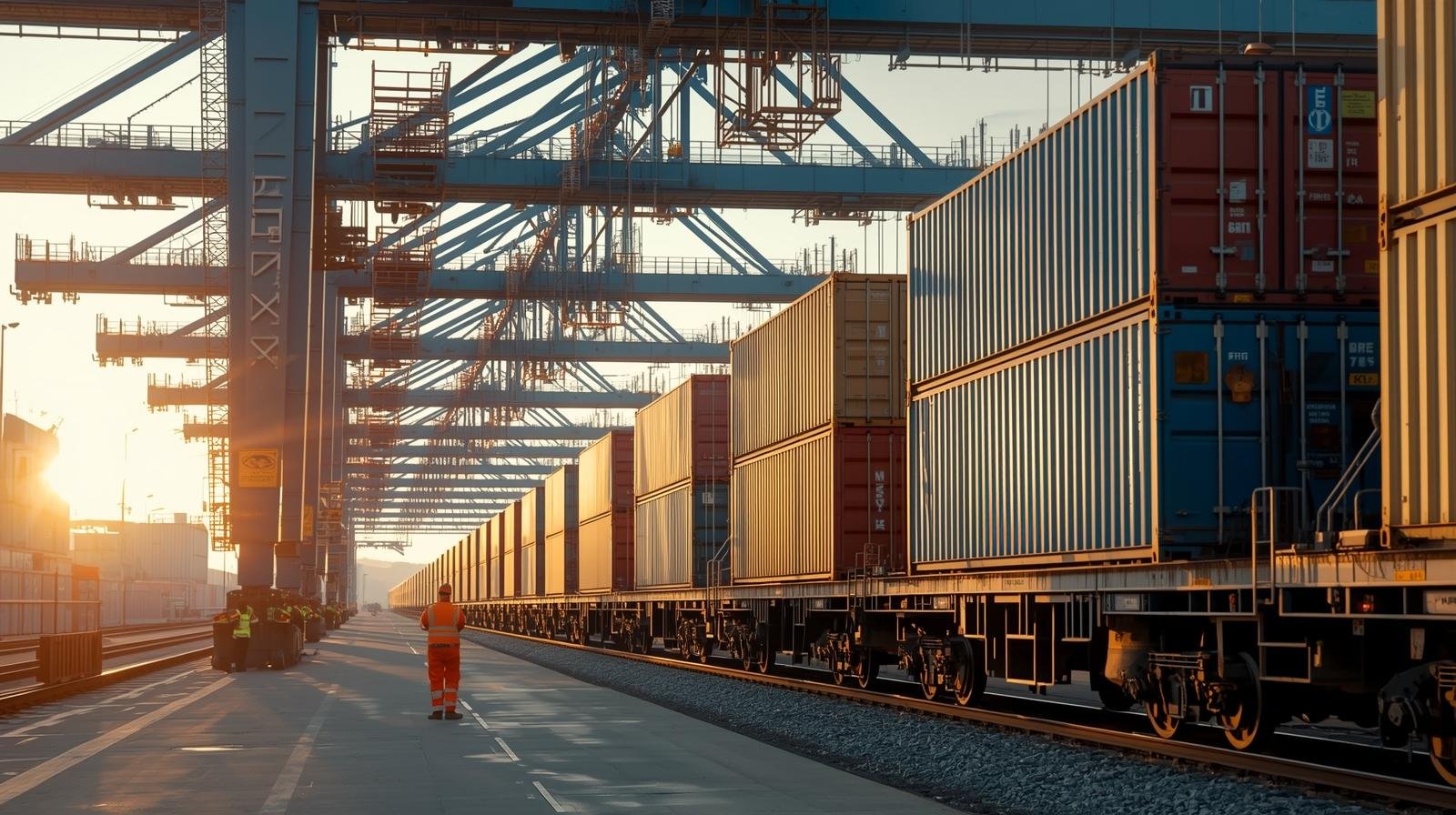
Our rail freight service is designed for clients who need stable transit times, controlled handling, and predictable costs—especially for shipments moving between Turkey, Europe, and the Middle East.
We don’t just book space on a train; we manage the entire operational process from the warehouse to the final rail terminal.

Route Engineering & Cargo Mapping
We study your shipment’s origin, destination, cargo category, and deadlines to determine:
- Which rail corridor is most efficient (Turkey–Europe / China–Europe / Middle East–Turkey).
- Whether your cargo needs a temperature-controlled container or standard wagon.
- If the shipment requires single-route movement or intermodal switching between terminals.
- We don’t use fixed routes — we design the route that fits your shipment, not the opposite.
Priority Terminal Handling
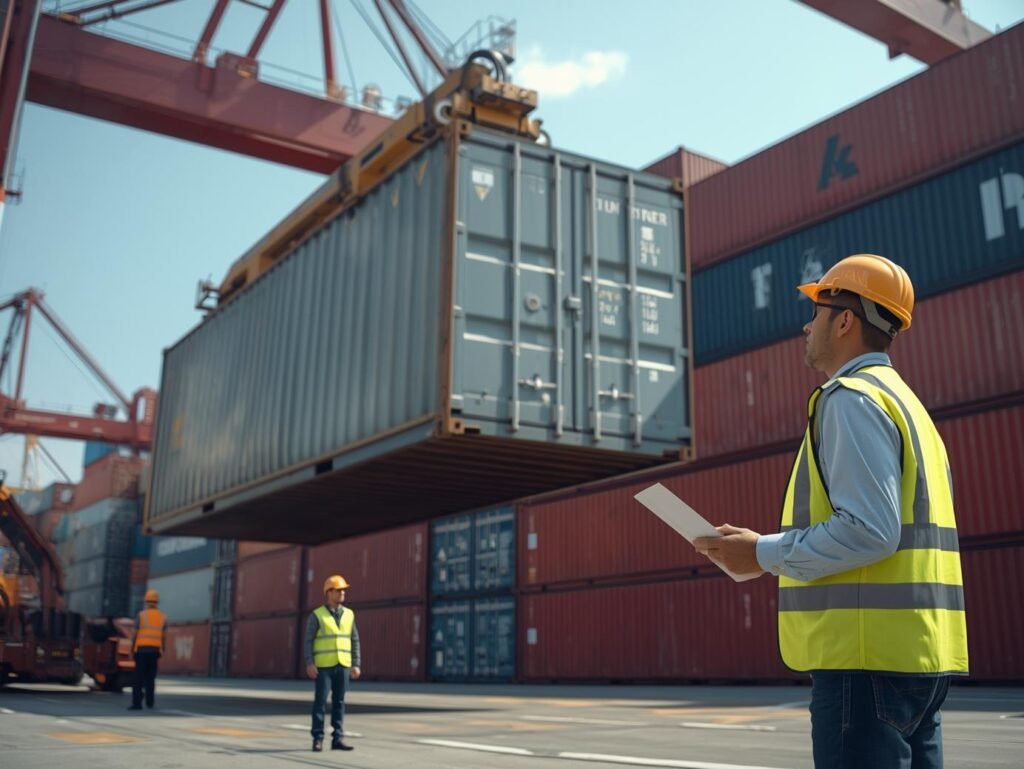
At the main rail hubs, we provide:
- Fast gate-in processing
- Priority loading slots
- Weight verification and sealing
- Coordination with terminal operators to reduce idle time
- This service is ideal for customers who cannot afford delays at congested hubs.
Technical Loading & Container Preparation
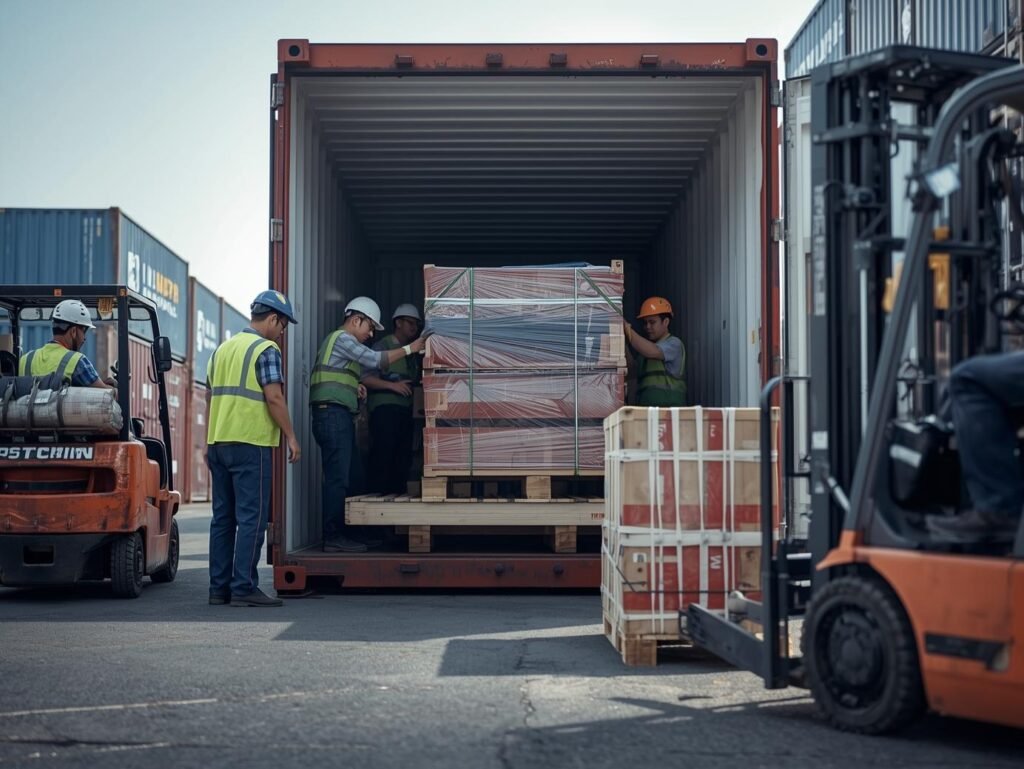
Before loading your shipment onto the rail wagon, our team handles specific technical steps:
- Balancing cargo weight to avoid wagon vibration
- Using rail-grade securing materials (straps, air bags, blocking)
- Waterproofing for long-distance routes
- Photographing every stage of loading and sealing
- This ensures your cargo stays stable even across multi-country rail lines.

Rail Visibility System – Real Operational Tracking
We don’t provide “generic tracking links.”
We provide actual movement reports from:
- Rail operators
- Border terminals
- Transit checkpoints (especially Turkey–Europe border rail gates)
- You receive updates at every milestone—not just at departure and arrival.
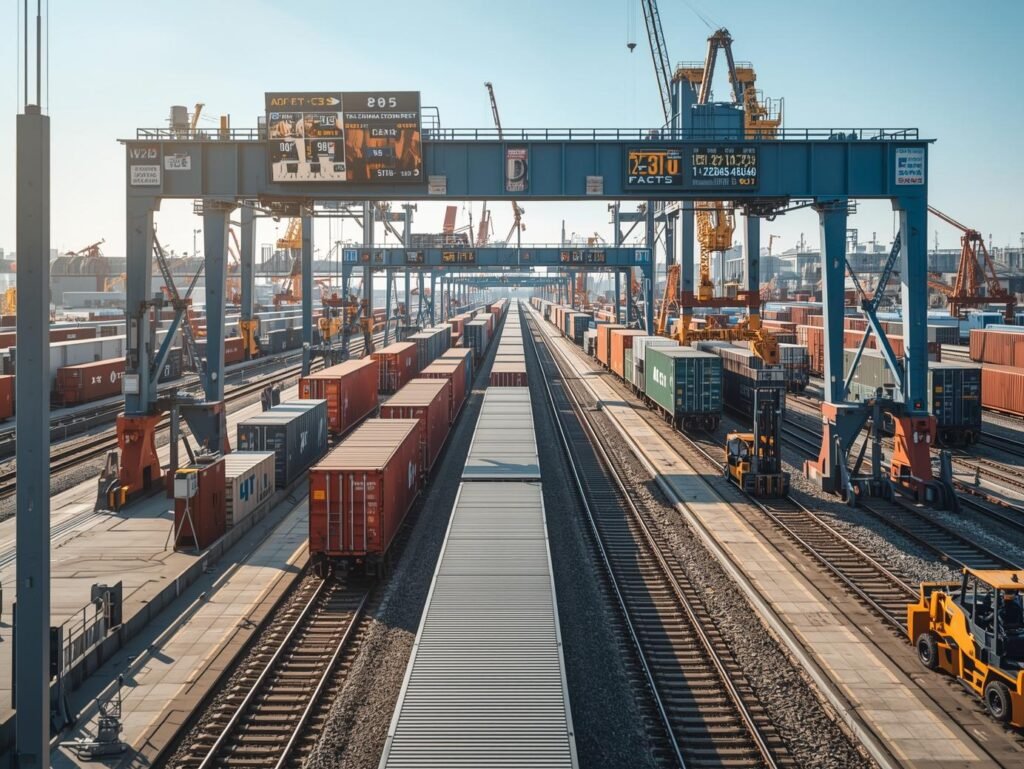
Cross-Border Rail Management
For rail shipments crossing multiple borders, we manage:
- Customs paperwork for each transit country
- Terminal change-overs
- Wagon switching coordination
- Clearance at arrival rail hub
- This reduces delays caused by documentation errors or border congestion.
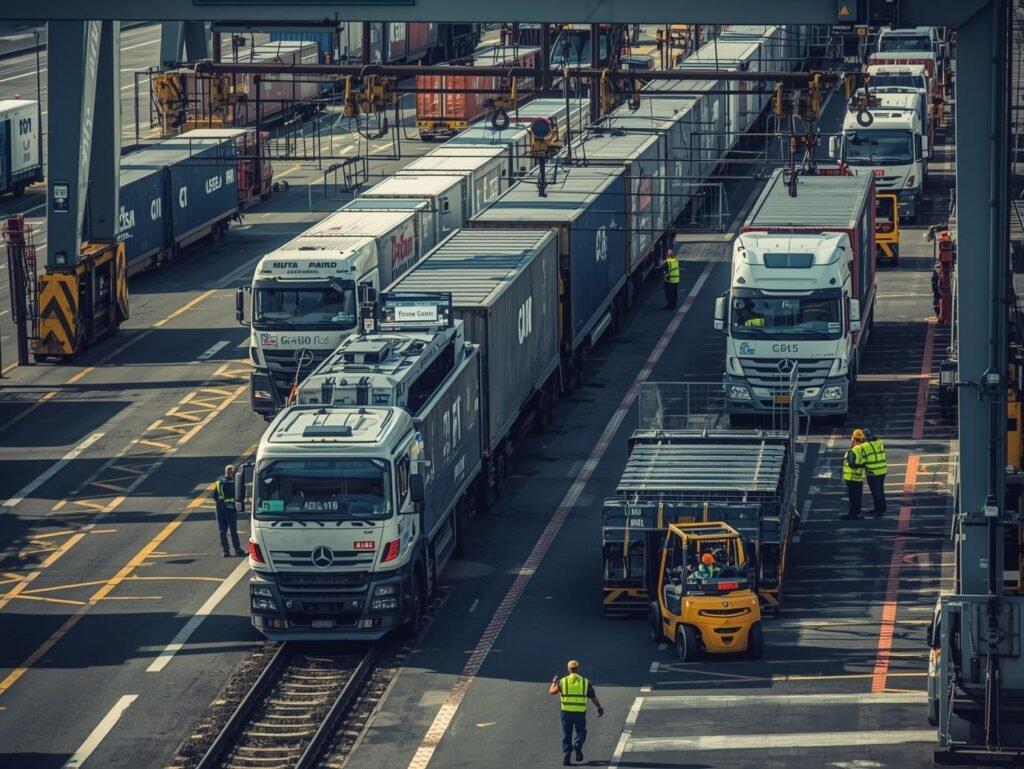
Rail + Truck Hybrid Delivery
If your final destination is not served directly by rail, we arrange:
- Truck connection from the final terminal
- Last-mile delivery to warehouse, factory, or port
- Coordination between truck arrival time and rail unloading time to avoid extra storage fees
- This gives you a smooth rail-to-door delivery.
Who Should Use Our Rail Freight Service?
- Importers/exporters with heavy or bulk goods
- Factories shipping raw materials or semi-finished products
- Clients looking for a cheaper alternative to air and a faster alternative to sea
- Companies that need predictable weekly departures
Why Rail Freight With Premium Logistics?
- We handle technical loading, not just booking
- Direct relationships with Turkish, European, and Asian rail operators
- Daily operational follow-up with terminal agents
- Specialized coordination for cross-border and multi-terminal rail movements
How long does rail freight shipping take between Europe, Turkey, and the Middle East?
Rail transit times vary depending on the route and customs processing. On average:
- Europe → Turkey: 5–9 days
- China → Europe: 12–18 days
- Turkey → Middle East hubs: 4–7 days
Rail shipping is faster than sea freight and more cost-efficient than air freight, making it a reliable option for stable transit schedules.
What types of cargo are suitable for rail freight?
Rail freight is ideal for:
- Heavy cargo and bulk goods
- Industrial equipment and machinery
- Raw materials (steel, chemicals, plastics, fabrics)
- Food products and non-perishable goods
- High-volume and repetitive shipments
It’s especially beneficial for companies looking for predictable transit times and lower handling risks.
Is rail freight cheaper than road or air transport?
Yes, rail freight is generally more cost-effective than air and often more economical than long-distance trucking. Costs are reduced because trains can carry higher volume, use less fuel per ton, and have lower handling expenses. It offers the best balance between speed, cost, and cargo safety, especially for cross-border shipments.